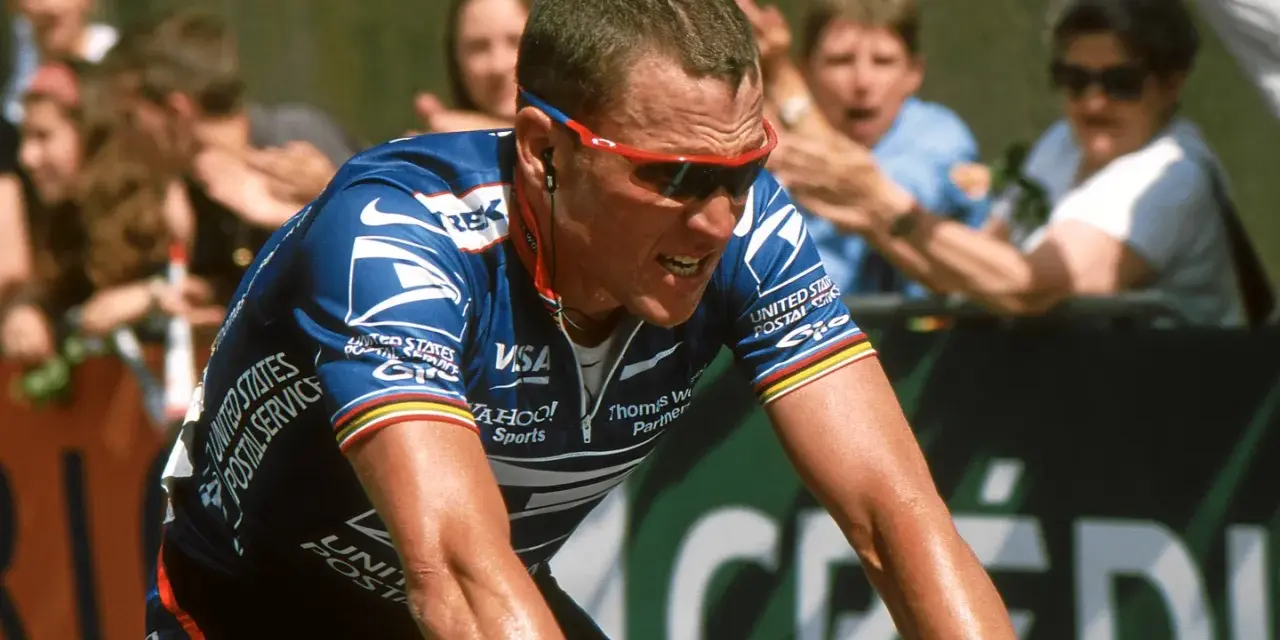
The Armstrong scandal is still one of the clearest examples of organized cheating in modern road cycling. The short answer to how did Lance Armstrong cheat is that he used a coordinated doping system built around blood manipulation, testosterone, and strict team secrecy. I’ll break down the methods, how the scheme worked inside a pro cycling outfit, why it lasted so long, and what clean riders can actually learn from it.
What the case shows in plain terms
- USADA concluded Armstrong was part of a long-running doping conspiracy tied to the U.S. Postal Service team.
- The core methods were EPO, testosterone, and blood transfusions, all aimed at improving endurance and recovery.
- The system worked because it was team-based, not solo: doctors, staff, and teammates helped keep it hidden.
- In road cycling, these methods matter because they boost oxygen delivery and reduce recovery time between hard stages.
- The case was built from witness statements, blood data, emails, and financial records, not just one failed drug test.
- The fallout reshaped trust in cycling and pushed clean riders toward better transparency and anti-doping controls.
What the doping program actually relied on
I think the cleanest way to understand this scandal is to separate the drugs from the performance effect. Armstrong was tied to blood doping and hormone use, and those methods are especially powerful in road cycling because they improve the body’s ability to deliver oxygen and recover after repeated hard efforts.
| Method | What it did | Why it mattered in road cycling |
|---|---|---|
| EPO | Stimulated the body to produce more red blood cells | More oxygen reaches the muscles, which supports endurance on climbs, time trials, and long stage races |
| Blood transfusions | Added stored blood back into the body to raise oxygen-carrying capacity quickly | Helped restore performance fast during a Grand Tour, when recovery between stages is everything |
| Testosterone | Supported recovery, muscle maintenance, and training tolerance | Made it easier to handle repeated high load without breaking down as quickly |
| Team-based concealment | Used doctors, staff, and coded routines to hide the program | Allowed the cheating to continue through race blocks instead of being a one-off mistake |
USADA’s case later described evidence that Armstrong used EPO and testosterone, and that he also used banned blood transfusions. One especially telling detail was the claim that blood was drawn and stored during the year, then transfused in a team doctor’s hotel room during the Tour de France. That is not a random shortcut; it is a system built for stage racing, where a rider needs to repeat top-level efforts day after day.
What stands out to me is that this was never just about “a stronger engine.” It was about building a body that could recover faster than a clean rival after six hours in the saddle, a mountain finish, and then another race the next morning. That is why the next piece of the story is not chemistry, but organization.
How the team-wide system worked
Armstrong’s advantage came from more than what he took. It came from how the whole environment around him was arranged. USADA’s reasoned decision described a program supported by doctors, team staff, and teammates, with Dr. Michele Ferrari playing a central role in organizing the approach and advising on performance management.
The practical mechanics were straightforward, even if the execution was coldly disciplined:
- Planning was centralized. Doping was not left to chance or personal improvisation.
- Support staff handled logistics. That kept the rider insulated from direct exposure.
- Teammates were pressured. The system was not just tolerated; it was enforced.
- Secrecy was part of the design. Hidden routines, private meetings, and controlled communication reduced the chance of exposure.
- Performance was normalized. When everyone around you accepts the method, the line between “team culture” and cheating gets deliberately blurred.
That pressure mattered. USADA said witness statements came from more than two dozen people, including professional cyclists, former teammates, and team personnel. In other words, this was not a story of a lone athlete making a bad decision in isolation. It was a road cycling operation with a hierarchy, expectations, and consequences for anyone who resisted.
Once you see the structure, the next question is obvious: why did it take so long for the truth to stick? That’s where the evidence trail becomes important.
Why the deception lasted so long
Armstrong’s program lasted because it was designed to be hard to prove in the normal way. USADA noted that doping can be established by any reliable means, not just a single positive test, and that this case relied on a wide body of evidence: sworn witness statements, laboratory data, blood test analysis, banking records, and email communications.
That matters in road cycling because a cheater does not have to beat every test forever. He only has to create enough uncertainty, fear, and procedural noise to keep the system moving. In this case, the evidence included:
- Blood data that supported the doping pattern.
- Financial records showing more than $1 million in payments linked to Dr. Ferrari’s company.
- Email communication that contradicted public denials about professional contact.
- Testimony from former teammates and team staff who had direct knowledge of the program.
There is also the human side of concealment. Witness intimidation, controlled reputations, and the pressure to stay quiet all make a cheating program easier to sustain. In plain English, the scheme survived because people were afraid to break the code, and because the evidence was spread across too many places for a simple “caught on test day” narrative.
That is the part many fans miss: the scandal was not exposed by one dramatic moment. It was exposed when the accumulated paper trail, blood data, and testimony became too heavy to ignore. From there, the fallout was unavoidable.
What the fallout meant for road cycling
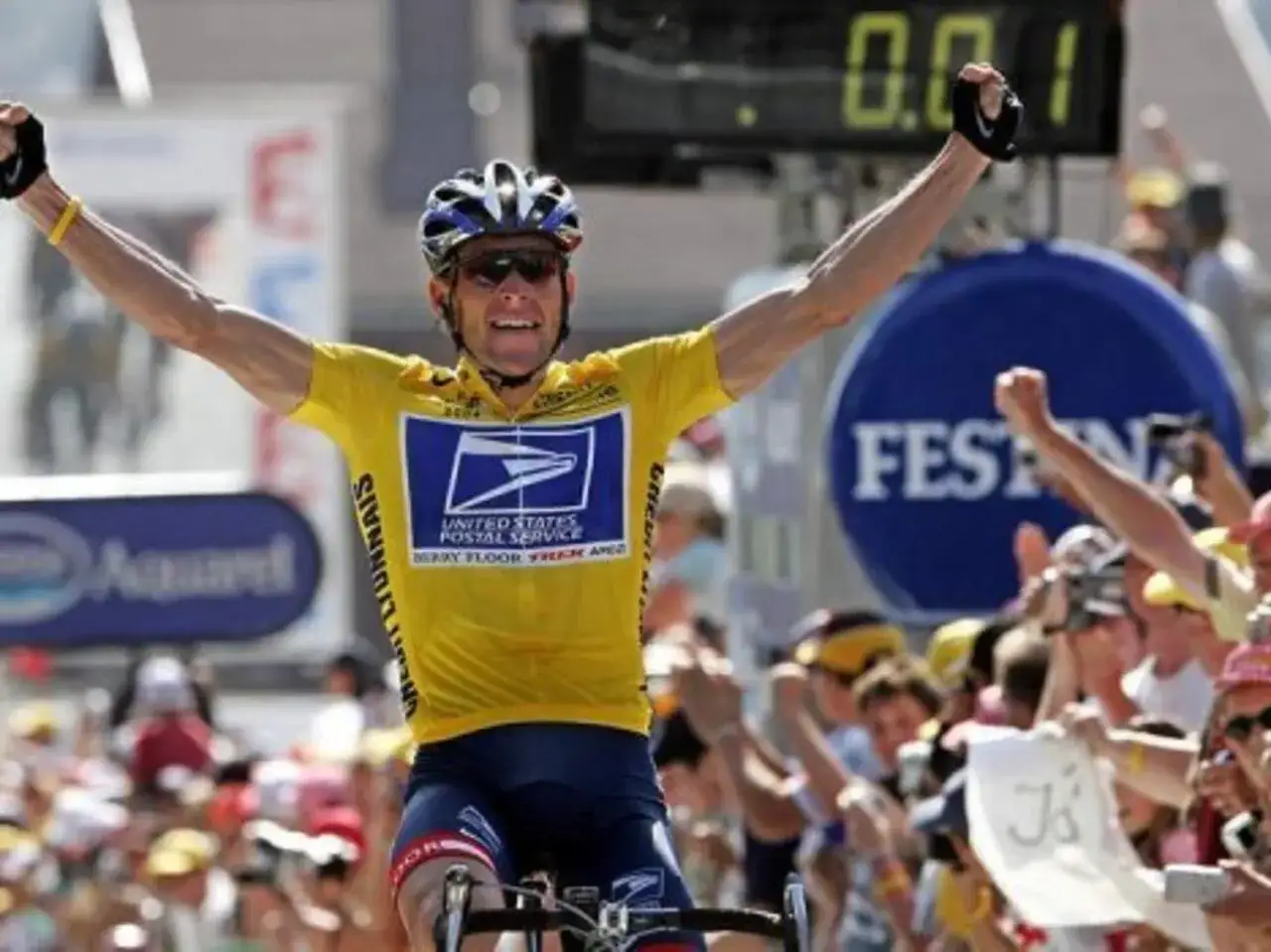
USADA imposed a lifetime ban and disqualified Armstrong’s results from August 1, 1998 onward, which wiped out the competitive foundation of his era. In the public mind, that meant the Tour de France wins, the yellow jerseys, and the heroic image all had to be read through a different lens.
The bigger damage, though, was to trust. Road cycling had already lived with doping rumors for years, but Armstrong’s case gave fans, sponsors, and clean riders a brutal lesson: success can be meticulously built on a false platform. That changes how people look at extreme performance jumps, suspiciously uniform team success, and the way a dominant rider controls the narrative around victory.
It also pushed the sport toward a harsher standard of accountability. Testing alone is not enough if team culture is rotten. That is true in 2026 as much as it was then. Modern anti-doping work leans harder on biological data, whistleblowers, and team-level scrutiny because the Armstrong case showed how effective organized concealment can be.
For riders, the lesson is simple but uncomfortable: a clean program may look slower at first, but it is the only one that holds up under scrutiny. That leads naturally to the question every serious cyclist should ask next: what should you actually do instead?
What clean riders can take from the case
If I were turning this scandal into a practical coaching lesson, I would keep it brutally simple. The real gains in road cycling still come from repeatable, legal work: structured intervals, sensible race load, fueling, sleep, bike fit, and honest recovery.
- Build endurance in blocks. Consistency beats heroic one-off sessions.
- Use food as a performance tool. Carbs, protein, hydration, and iron status matter more than most riders admit.
- Track training honestly. Power, heart rate, and RPE tell you more than ego ever will.
- Respect recovery. Sleep and rest days are not wasted time; they are part of the adaptation.
- Be skeptical of miracle claims. If something promises pro-level gains without process, it is usually marketing or cheating.
For the average cyclist, the useful takeaway is not fascination with the scandal. It is a reminder that the best performance edge is still boring, measurable, and repeatable. In 2026, that means training smarter, choosing better gear, and staying patient with the process instead of chasing shortcuts that eventually collapse under their own weight.