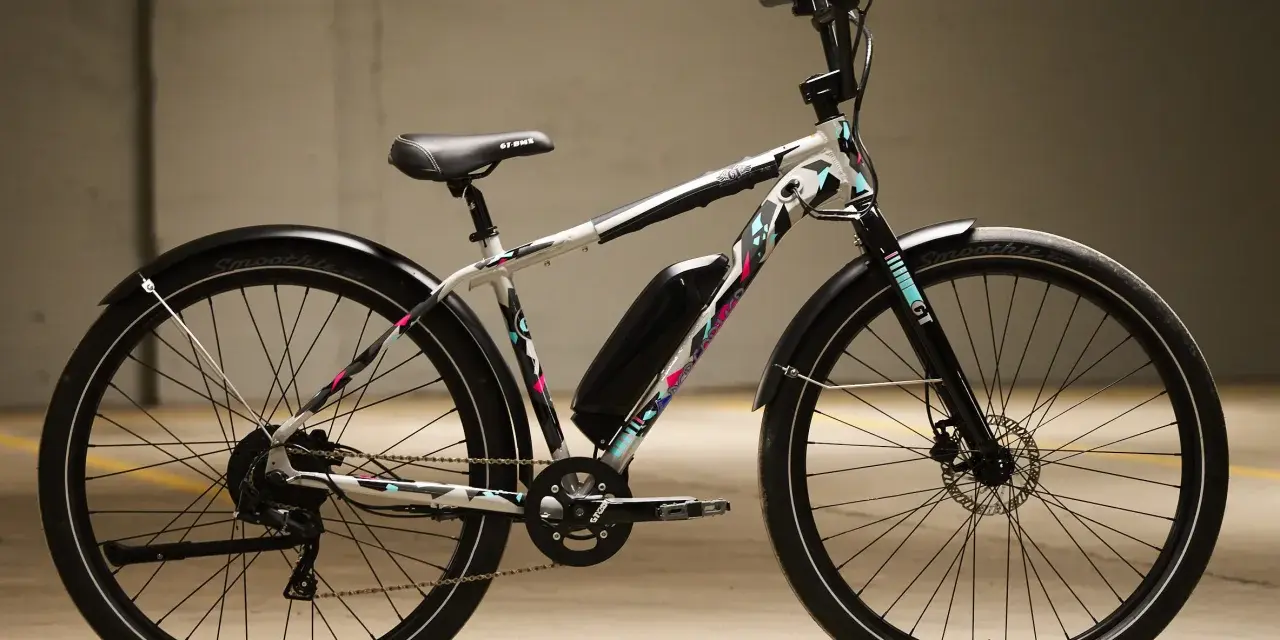
The GT Power Performer sits in a useful middle ground: it looks like a BMX bike, rides like a stable urban cruiser, and uses electric assist to make fitness rides easier to repeat. For riders who care about training, that combination matters because consistency usually beats one heroic ride. In this article I break down what the bike is really for, how it changes the workout, and how I would use it without letting the motor do all the work.
What matters most before you plan rides on it
- The Power Performer is a BMX-inspired e-bike built for urban riding, not for race-bike speed or trick riding.
- Earlier U.S. builds used a 350W rear hub motor, a removable 418Wh battery, five assist levels, and a 20 mph assist ceiling.
- Its best fitness value is repeatable riding: low-assist aerobic work, hill support, and commute miles that add up.
- For training, I would keep most rides in assist levels 1-3 and save higher support for hills, traffic starts, or fatigue days.
- If you buy one in 2026, verify the exact year, battery health, charger, brakes, and wheel condition before you think about price.
What this bike is really for
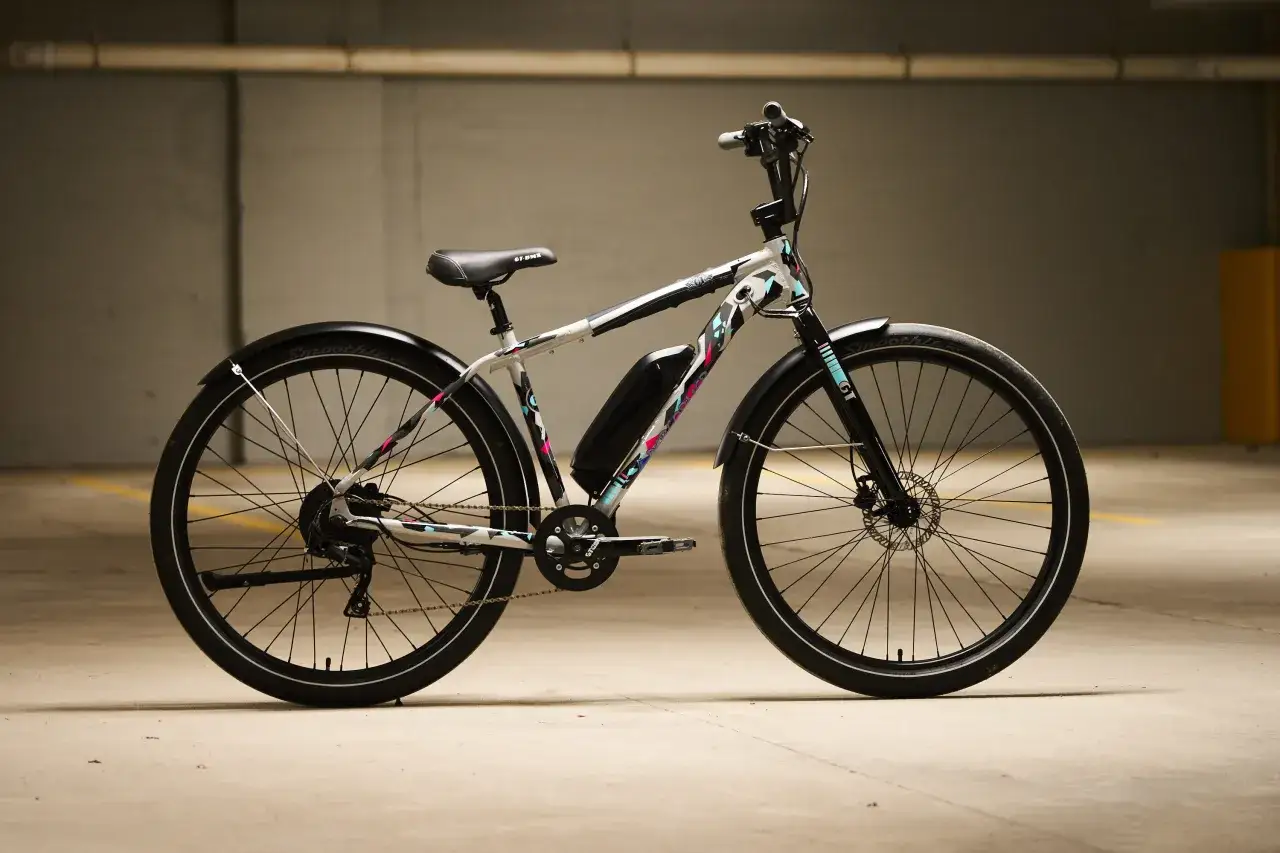
This is not a pure performance e-bike and it is not a stripped-down BMX either. It is a retro-styled urban bike with 29-inch wheels, slick 2.5-inch tires, a rigid feel, and enough electric help to make hills and stop-and-go traffic much less annoying. That mix is the point.
Earlier versions in the U.S. market paired a Bafang 350W rear hub motor with a 418Wh battery, five assist levels, and a throttle that makes starts easier. In most U.S. settings that lands in the Class 2-style neighborhood, though local rules still matter. In practice, it feels like a bike that wants to move quickly through town, not attack climbs like a mountain e-bike.
I like that distinction because it keeps the bike honest. The motor helps, but the platform still has enough weight and rolling resistance to remind you that you are riding, not driving. That is a very different idea from a lightweight road bike, and it matters once training enters the picture.
That distinction matters because fitness gains only make sense once you know what kind of effort the bike is actually asking from you.
Why it can still help your fitness
I do not think of this bike as a cheat code. I think of it as a friction reducer. Hills, headwinds, stoplights, and tired evenings are what usually kill good intentions, and this bike softens those problems enough that the ride still happens.
If you keep the assist low, your legs still do real work. If you stay in a steady effort, especially a Zone 2 pace, the ride still counts as aerobic training. Zone 2 is the kind of effort where you can still speak in short sentences without feeling like you are scraping the bottom of the tank.
- Low assist builds aerobic base without making the ride feel punishing.
- Moderate assist makes recovery days and busy weekdays more realistic.
- Hill support lets you train without blowing up before the useful work begins.
- The bike’s weight still asks for effort when the motor is not doing the heavy lifting.
That is the real fitness advantage: less drama, more total riding. And once you think in terms of repeatable weeks instead of single sessions, the bike starts to make a lot more sense.
The rides I would actually do on it
This is the part most riders skip, but the session structure matters more than the model badge. I would not try to make every ride feel hard. I would use the motor to keep the target effort honest, then let the route do the rest.
| Ride type | Assist plan | Duration | Main training effect | My note |
|---|---|---|---|---|
| Recovery spin | Level 1-2 | 30-45 minutes | Circulation and cadence | Keep it easy enough to finish fresher than you started. |
| Aerobic base ride | Level 1-3 | 60-90 minutes | Steady cardio work | Use flat roads and hold a smooth cadence, meaning how fast the cranks are turning. |
| Hill repeats | Level 2-5 as needed | 4-6 repeats of 2-4 minutes | Strength-endurance | Use the motor to reach the hill with quality still intact, then push. |
| Commute ride | Lowest usable assist | 20-40 minutes each way | Consistency and volume | Throttle only for starts or traffic, not as a default setting. |
I would spend most of my time in the lower assist levels because that is where the ride still feels like training. The highest settings are useful, but if you live in them, the bike becomes transportation with a battery instead of a fitness tool.
Once the sessions are clear, the next thing that matters is setup, because small adjustments change the ride more than most people expect.
How to set it up so the workout feels honest
The bike feels best when the rider, not the motor, controls the pace. That means setting the saddle correctly, keeping the drivetrain and brakes in good shape, and choosing a gear before you reach for more assist.
On a bike with 29 x 2.5 slick tires, small setup choices matter. Slightly firmer tires roll faster on pavement; a little less pressure adds comfort on broken city streets. I would not go so soft that the bike starts feeling vague in corners, because then you lose the precise feel that makes urban riding enjoyable.
Cadence also matters. I would aim to keep my pedaling smooth, roughly in the 80-90 rpm range on flatter ground, instead of mashing a heavy gear and letting the motor cover for sloppy leg speed. That keeps the workout cleaner and usually feels better on the knees too.
For actual fitness rides, I would leave most of the assist in the first two or three levels and use the throttle sparingly. If I am using throttle at every stop, the ride stops feeling like training very quickly. If I am using it only to get moving safely or to flatten a brutal hill, then it still serves the goal.
Once the setup feels right, the next question is whether the bike still makes sense when you shop for one today.
What to check before buying one in 2026
By 2026, I would treat any example as a specification-and-condition purchase, not just a color choice. GT changed details during the model’s run, and battery size, display, and drivetrain should all be checked against the actual year on the frame or seller listing.
- Battery health. Ask about charge cycles, storage habits, and whether the bike still reaches a full charge without dropping unusually fast.
- Charger and display. Missing or mismatched parts can be annoying to replace, and the electronics are part of the value.
- Brakes and wheels. Heavy e-bikes punish worn pads, slightly bent rotors, and wheels that are out of true.
- Motor behavior. Listen for roughness, hesitation, or noisy engagement under load.
- Year and battery size. I have seen both 418Wh and 504Wh spec sheets depending on production run, so do not assume every example is identical.
A healthy pack should still handle a long urban afternoon or a couple of shorter commutes without drama, but aggressive assist and cold weather can shorten that fast. I would also expect a stock charger to replenish the battery in a little over four hours on a healthy setup. If it takes much longer, I would ask questions before I talk myself into a deal.
If the numbers and wear items check out, the last step is deciding how it compares with the bikes it competes against.
How it compares with a regular BMX or commuter e-bike
This is the comparison that actually matters if you are buying for fitness, not just for style. The Power Performer does not beat every bike on paper, but it can be the better real-world choice if it gets ridden more often.
| Bike type | What it does best | Fitness payoff | Tradeoff |
|---|---|---|---|
| Power Performer | Fun urban miles and mixed-effort rides | Moderate to high if you manage assist well | Heavier and less efficient when the motor is off |
| Traditional BMX | Short, intense riding and skills work | Highest raw effort per minute | Less comfortable for long rides or hills |
| Typical commuter e-bike | Utility, comfort, and everyday transport | Good for consistency, less playful | Often less engaging and less versatile for mixed-use riding |
If your only goal is maximum calorie burn per minute, a conventional bike still wins. If your goal is to ride again tomorrow, and the day after that, this bike has a real advantage. That is why I would not judge it only by its assist level or its weight.
The weekly rhythm that makes it useful for fitness
If I owned this bike for training, I would build a weekly rhythm instead of chasing one-off heroic rides. That is the simplest way to keep the bike useful without turning every outing into a test.
- Two rides of 45-60 minutes in low assist for aerobic base.
- One ride of 30-45 minutes with hill efforts, using higher assist only where the terrain forces the issue.
- One commute or errands ride where the goal is movement, not punishment.
That pattern gives you enough load to stay fit and enough novelty to avoid burnout. The motor should widen the days you can ride, not erase the work entirely. For riders who want a bike that is fun first but still useful for conditioning, that is where the Power Performer earns its keep.