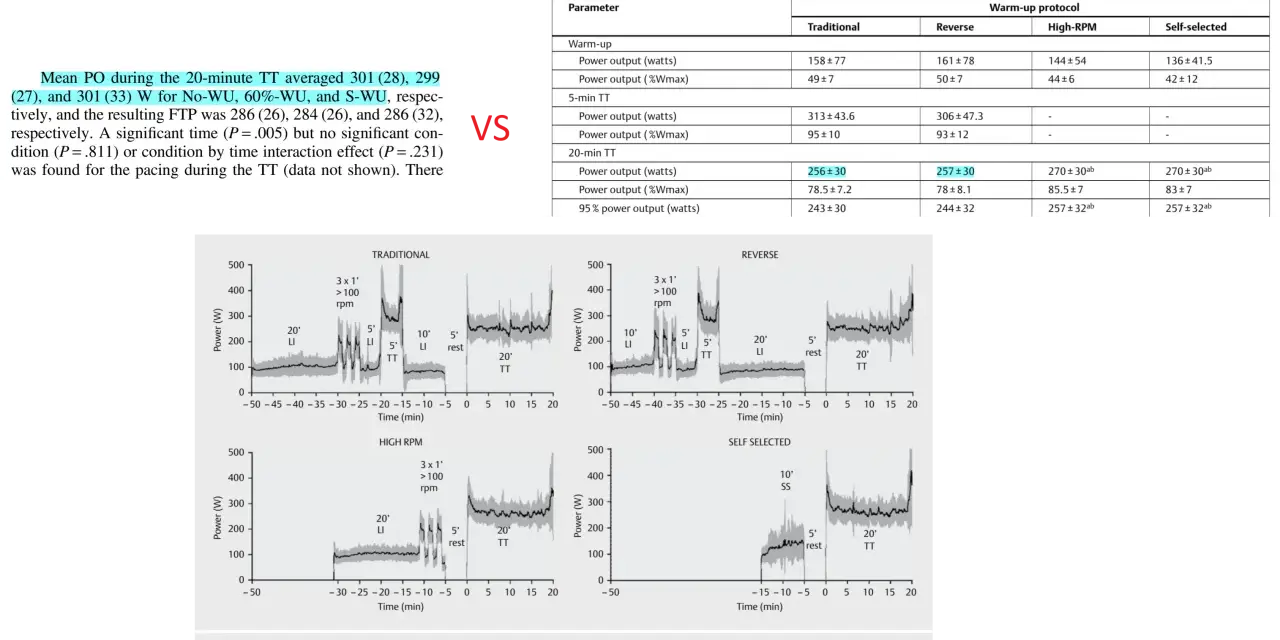
A 5-minute FTP test is useful when you want a fast benchmark without spending half a session on pacing drama. The catch is simple: it is not a pure threshold measure, so the result only helps if you know how to interpret it and how to turn it into training zones. In this article I break down what the test actually measures, how to pace it, when to use it, and how to avoid the mistakes that make the number look better than it is.
The short version before you test
- A five-minute effort is a quick estimate, not a perfect FTP measurement.
- The number reflects your aerobic ceiling more than your true threshold.
- Smooth pacing matters more than starting like a sprinter and fading.
- A conservative estimate is safer than an inflated one if you want usable training zones.
- Compare the result with threshold workouts before you lock it in.
What a five-minute effort really tells you
FTP, in practical cycling terms, is the highest power you can sustain for a long effort without quickly falling apart. That is why it sits at the edge between sustainable aerobic work and the kind of effort that only lasts a few minutes. A five-minute test sits above that line, which means it tells me more about your maximum aerobic power, or MAP, than about true threshold.
That difference matters. Wahoo’s 4DP model treats the five-minute segment as MAP, the upper ceiling for aerobic power production, and then uses that information to shape the rest of the profile. In plain English, a strong five-minute number can be a good sign, but it can also flatter riders who are punchy and anaerobically strong. If you are more of a diesel rider, the result may land closer to your real threshold. That is why the test is best read as a ceiling check, not a verdict.
Once you understand that distinction, the next question is straightforward: how do you ride the effort so the number is actually worth using?
How to set up the test so the result is usable
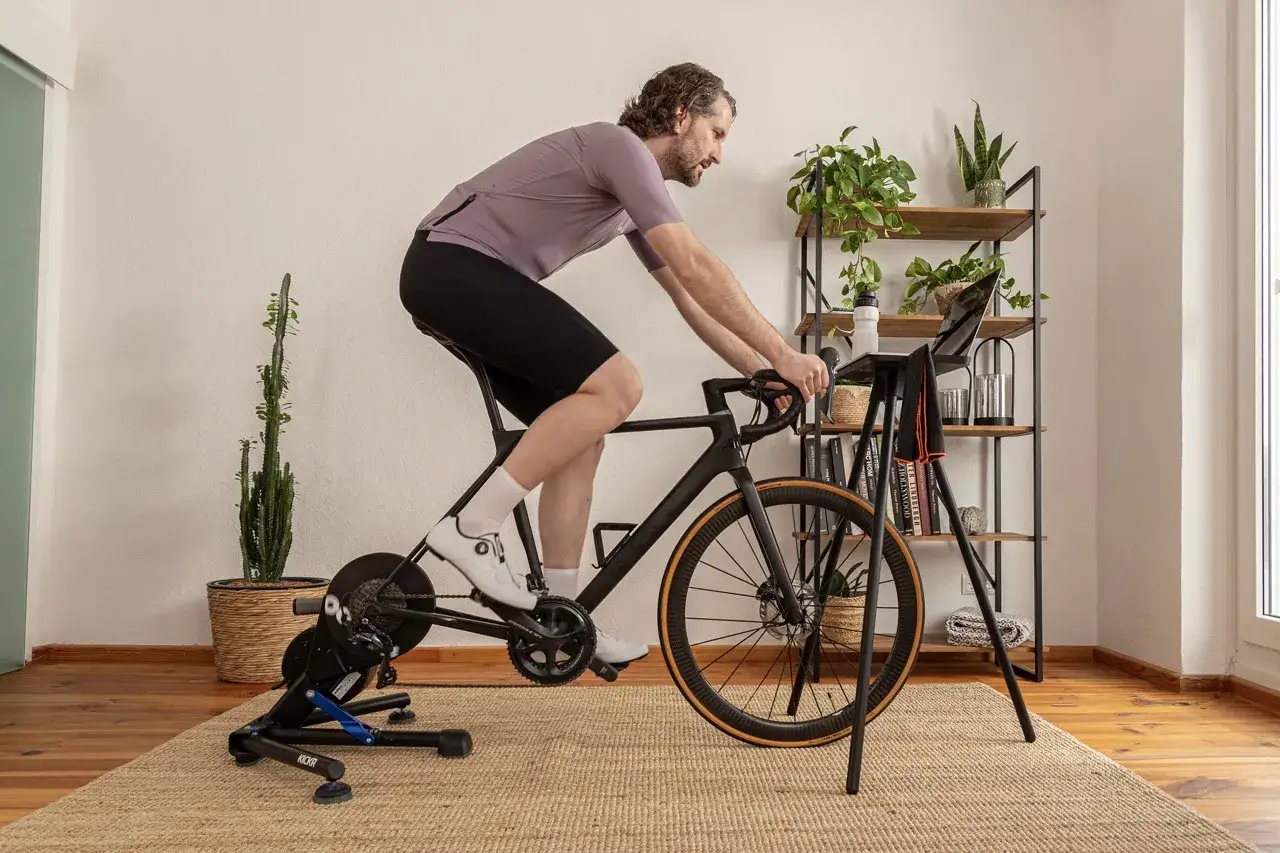
I would never treat a five-minute test like a random hard effort at the end of a ride. The quality of the result depends on consistency. Use the same bike position, the same power meter or smart trainer, and the same general setup each time you test. If you test outdoors, pick a stretch with no stoplights, turns, or crossings that force you to back off. Interruptions lower the average power and make the number noisy.
The warm-up matters too. You do not need to turn the session into a workout, but you do want enough time to raise body temperature and open the legs. I prefer a warm-up that includes easy spinning, a few short openers, and then a brief reset before the all-out block. The goal is simple: arrive at the start line ready to work, not already half-burned.
- Test when you are fresh enough to give a true maximal effort.
- Use steady cadence and resistance so you are not surging every few seconds.
- Start hard, but not with a full sprint in the first 20 seconds.
- Settle into the hardest pace you can actually hold for the full five minutes.
- In the final 30 seconds, empty the tank instead of saving anything for the finish.
If you want the result to be repeatable, treat the setup as part of the test. That boring discipline is what makes the number useful, which leads naturally to how to convert it.
How to turn five minutes of power into an FTP estimate
Some indoor systems use a shortcut and convert the average five-minute power into an FTP estimate with a fixed multiplier. A common rough starting point is 85% of your five-minute average power. So if you average 300 watts, the starting FTP estimate would be 255 watts. That is a sensible working number, but I would not call it universal. The ratio between five-minute power and threshold changes with rider type, fatigue, and how much anaerobic power you can bring to the effort.
My rule is simple: use the estimate to start training, then let training tell you whether it is honest. If threshold work feels like a VO2 max session, the number is probably too high. If sweet spot feels oddly easy and your breathing never really rises, you may be under-set. In either case, adjust in small steps rather than throwing the number out immediately.
For riders who like a concrete example, here is the math in plain terms:
| Five-minute average power | Starting FTP estimate at 85% | What I would do next |
|---|---|---|
| 250 W | 213 W | Use it for a week, then check threshold workout feel |
| 300 W | 255 W | Watch whether sweet spot feels controlled or too hard |
| 350 W | 298 W | Validate it before loading a long threshold block |
That estimate is a tool, not a truth. Once you see the trade-off, it becomes easier to decide when this shortcut is worth using and when a different test makes more sense.
When this shortcut is better and when it is not
A five-minute test is appealing because it is quick and mentally simple. But short does not mean automatically better. If you are trying to train for long climbs, time trials, gravel races, or hard group rides, you need a threshold number that reflects sustained work, not just a strong aerobic burst.
| Test | What it leans on | Best for | Main limitation |
|---|---|---|---|
| 5-minute test | MAP and peak aerobic power | Fast benchmark, quick starting point | Can overstate FTP for punchy riders |
| Ramp test | One-minute ceiling | Repeatable indoor testing | Can under-read steady endurance riders |
| 20-minute test | Sustained pacing | Balanced field estimate of FTP | Requires good pacing discipline |
| 8-minute test | Short, hard repeatable efforts | Time-crunched athletes who tolerate intensity well | Still sensitive to anaerobic contribution |
| 60-minute test | True sustained output | Closest thing to a direct FTP check | Brutal to pace and mentally demanding |
TrainerRoad, for example, shows the trade-off clearly: its ramp test uses 75% of the best one-minute power, the 20-minute protocol uses 95% of the average, and the 8-minute test uses 90% of the average from two efforts. That makes the big picture easier to see. The five-minute shortcut is the fastest option, but it is also the least faithful to true threshold, so I reserve it for situations where speed matters more than precision.
If you are a punchy rider, I would lean toward a longer or more structured test. If you are a steady rider returning from a break, a short effort can give you a useful first pass. The more your rider type affects the result, the more cautious you should be with the final number, which brings us to the errors that create bad results in the first place.
The mistakes that distort the number most
- Starting too hard and turning the first minute into a sprint.
- Testing on tired legs after intervals, a long ride, or a hard group session.
- Using a route with stoplights, descents, or frequent interruptions.
- Changing bike position, trainer mode, or power meter setup between tests.
- Relying on one unusually good or bad day instead of a repeatable pattern.
- Skipping the warm-up and expecting the first effort to be your best effort.
The cleanest result comes from consistency, not heroics. If two tests are done under similar conditions and one number looks wildly different, I trust the pattern before I trust the outlier. Once those mistakes are controlled, the next step is making the estimate useful in actual training.
What to do with the result in your next training block
Use the result as a working FTP and then pressure-test it in the workouts that matter. Threshold intervals, sweet spot work, and longer tempo sessions will tell you quickly whether the number is realistic. If the effort feels sustainable and the workout lands where it should, keep it. If everything feels too hard too soon, lower the estimate a few percent before the next session.
I would also keep the athlete-specific context in mind. A rider with a strong five-minute result may be better at attacks, punchy climbs, or short efforts than at steady threshold work. Another rider may have a smaller five-minute number but a stronger long-effort profile. That is why watts per kilogram, repeatability, and workout feel all matter when you are turning a test into training.
- Use the estimate to set your first week of zones.
- Check whether sweet spot feels controlled, not desperate.
- Watch whether threshold work feels like threshold, not a red-line effort.
- Re-test after a focused block if your workouts consistently disagree with the number.
If the estimate survives a few real workouts, it is probably good enough to train from. If it does not, make a small correction and move on. The goal is cleaner training, not a flattering screenshot.
The fastest test works best when you are honest about its limits
I like short tests when time is tight, but I only trust them when the athlete understands what the result means. A five-minute effort is excellent for a fast checkpoint and a rough starting point for training zones. It is less useful when you need a precise anchor for a long block of threshold work.
Use the short test for speed, then use your workouts for confirmation. That approach gives you the benefit of quick testing without pretending the result is more exact than it really is. In practice, that is the difference between a number that looks impressive and a number that actually helps you train better.
If you want the simplest rule, keep this one: start with the estimate, then let a week or two of threshold sessions tell you whether it deserves to stay.